
.jpg)
Learn what to expect before, during, and after a tummy tuck at Transform Bariatrics and Aesthetics in Greenbelt, MD. Get a complete guide to the procedure and recovery.
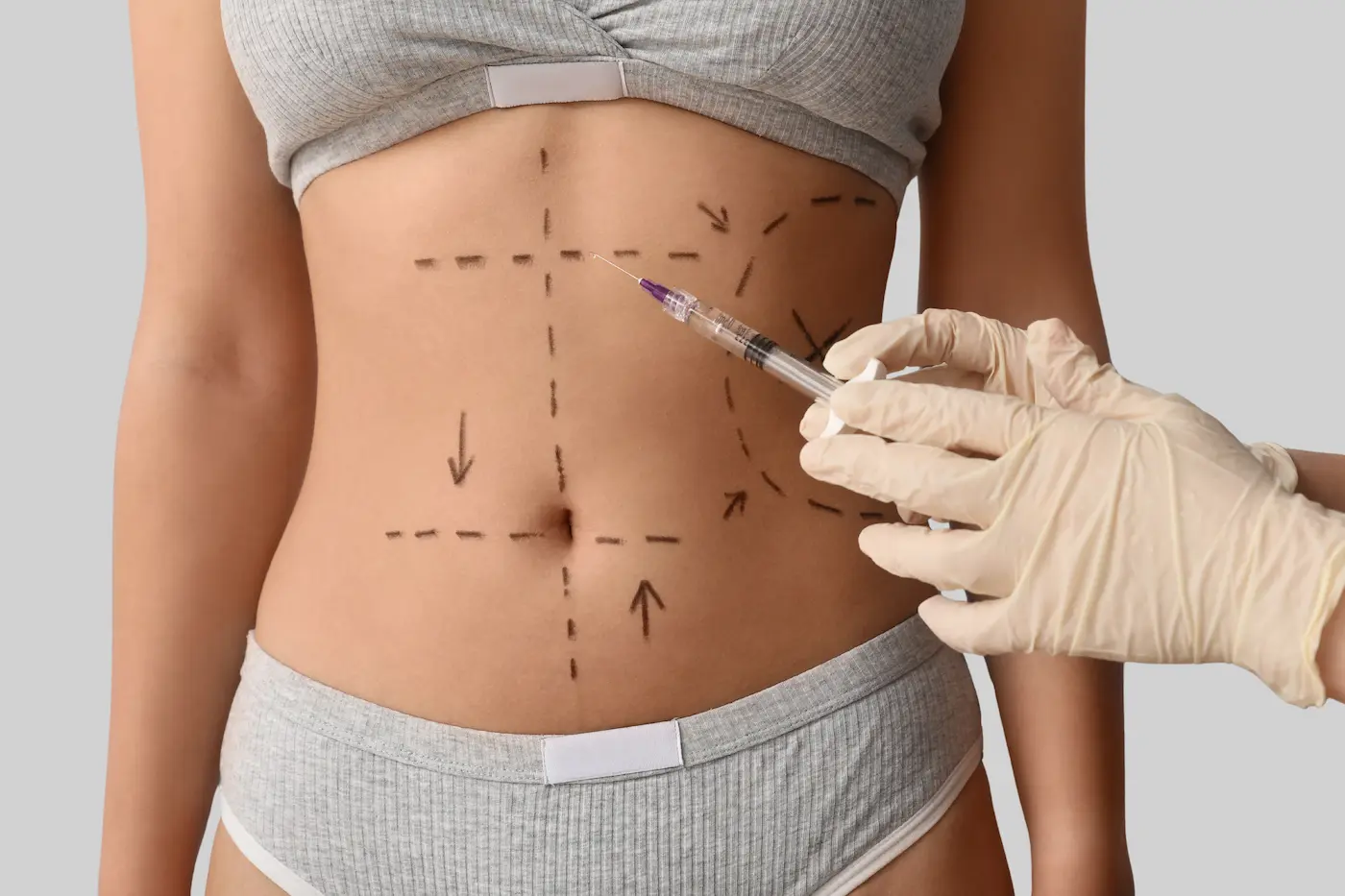
A tummy tuck, also known as abdominoplasty, is a popular cosmetic surgery designed to remove excess skin and fat from the abdomen while tightening the muscles for a smoother, firmer appearance. It’s a life-changing procedure for those who have lost significant weight, experienced pregnancy, or are simply looking to restore a more youthful body contour. If you’re considering a tummy tuck, it’s important to understand the entire process—from preparation to recovery.
At Transform Bariatrics and Aesthetics in Greenbelt, MD, we specialize in body contouring procedures like tummy tucks, offering personalized care to help you achieve your aesthetic goals. In this blog, we’ll walk you through everything you need to know about the tummy tuck procedure, including what to expect before, during, and after surgery.
What to Expect Before a Tummy Tuck
Initial Consultation and Assessment
The first step in the tummy tuck process is the consultation. During your consultation at Transform Bariatrics and Aesthetics, our board-certified surgeons will assess your overall health, review your medical history, and discuss your goals for surgery. We’ll help you understand whether you’re a good candidate for the procedure and explain the risks and benefits.
Some factors that may determine whether you’re a good candidate for a tummy tuck include:
- Stable weight: Ideal candidates are close to their goal weight and are in good overall health.
- Absence of serious health conditions: Certain medical conditions, like uncontrolled diabetes or heart disease, may make surgery more risky.
- Non-smokers: Smoking can interfere with healing, so it’s important to stop smoking well before surgery.
- Realistic expectations: You should have realistic expectations about the outcome and understand that a tummy tuck will significantly improve the appearance of your abdomen but may not be able to address all concerns.
Pre-Operative Instructions
Once you’re cleared for surgery, your surgeon will give you specific pre-operative instructions to follow:
- Stop smoking: Smoking can impair healing, so it’s crucial to quit several weeks before the surgery.
- Medication adjustments: Your surgeon may recommend stopping certain medications, such as blood thinners, before the procedure.
- Arrange transportation: Since you will be sedated during surgery, you’ll need someone to drive you home afterward.
- Fasting: You’ll likely be instructed to refrain from eating or drinking for at least 8 hours before your surgery to reduce the risk of complications.
What to Expect During a Tummy Tuck
Anesthesia and Incision
A tummy tuck is performed under general anesthesia, so you will be asleep throughout the procedure. The surgery typically lasts between 2 to 5 hours, depending on the complexity and extent of the procedure.
The surgeon will make an incision that runs along the lower abdomen, typically just above the pubic area. The length of the incision depends on the amount of excess skin to be removed. In some cases, additional incisions may be made around the belly button if necessary.
After making the incision, the surgeon will:
- Remove excess skin and fat: If there is significant skin sagging, this is carefully excised.
- Tighten the abdominal muscles: If the muscles have been weakened or separated (a common result of pregnancy), they will be stitched together to create a firmer, more toned appearance.
- Reshape the belly button: If necessary, the belly button will be repositioned to create a more natural look.
Types of Tummy Tucks
There are different variations of tummy tucks based on your specific needs:
- Full tummy tuck: Involves a larger incision and is ideal for patients with significant excess skin or muscle separation.
- Mini tummy tuck: A less invasive option, this procedure targets the lower abdomen and is ideal for patients with mild skin sagging and no significant muscle separation.
- Extended tummy tuck: This version extends beyond the abdomen and addresses the flanks (love handles), often used for patients who have undergone significant weight loss.
What to Expect After a Tummy Tuck
Recovery and Aftercare
The recovery period after a tummy tuck is crucial for achieving optimal results. You will experience some discomfort, swelling, and bruising in the days following the procedure. Pain can be managed with prescribed medications, and you’ll need to wear a compression garment to reduce swelling and support the healing tissues.
Here’s what to expect in the days and weeks following surgery:
- Immediate Post-Operative Care: You’ll be monitored in a recovery room for a few hours after surgery to ensure you’re waking up from anesthesia without complications. Most patients can go home the same day, though some may stay overnight.
- Rest and Limited Activity: You’ll need to take it easy for the first few days. You should avoid any strenuous activity, including lifting, bending, or exercising, for several weeks. Light walking is encouraged to prevent blood clots and promote circulation.
- Follow-Up Appointments: You’ll have follow-up appointments with your surgeon to monitor your progress and remove any drains if necessary. Sutures or staples will also be removed in about 1-2 weeks.
Managing Swelling and Bruising
Swelling is common after a tummy tuck and can last for several weeks. It will gradually subside, and you’ll start seeing a more defined abdomen. Bruising is also typical and should fade within a couple of weeks.
Long-Term Results
While you may see some immediate improvement, the final results of a tummy tuck may take several months to fully materialize as the swelling decreases and the skin settles into place. Over time, you’ll enjoy a flatter, smoother, and more toned abdomen.
It’s important to maintain a healthy lifestyle, including regular exercise and a balanced diet, to maintain your results. Significant weight gain after a tummy tuck can affect the final outcome.
When to Consider a Tummy Tuck
A tummy tuck can be an excellent option if you have:
- Excess skin after significant weight loss
- Abdominal muscle weakness or separation (diastasis recti), often caused by pregnancy
- Stubborn fat and skin that doesn’t respond to diet and exercise
- A desire for a firmer, smoother abdominal profile
However, if you plan to become pregnant in the future, it’s best to wait until after you’ve completed your family, as pregnancy can reverse some of the effects of the procedure.
Is a Tummy Tuck Right for You?
If you’re considering a tummy tuck to restore a firmer, flatter abdomen, it’s important to schedule a consultation with a qualified surgeon. At Transform Bariatrics and Aesthetics in Greenbelt, MD, our experienced team will guide you through the process and help you understand the benefits and potential risks.
Ready to Transform Your Abdomen?
If you’re ready to take the next step toward a more confident you, schedule a consultation at Transform Bariatrics and Aesthetics today. Our expert team will create a personalized tummy tuck plan that suits your body and goals. Contact us at [Insert Phone Number] or fill out our online form to book your consultation.
Read More Blogs!
Stay updated with the latest blog posts and engage with our community.