

Tummy Tuck
At Transform Bariatrics and Aesthetics, our Tummy Tuck procedure (abdominoplasty) is designed to help patients achieve a flatter, firmer abdomen and improved body contour. Ideal for those with excess skin, weakened muscles, or stubborn fat after weight loss or pregnancy, this procedure restores both function and appearance.
A tummy tuck (abdominoplasty) removes loose abdominal skin and tightens separated abdominal muscles to create a flatter, firmer midsection. At Transform Bariatrics and Aesthetics in Greenbelt, MD, many tummy tuck patients come to us after losing a large amount of weight with bariatric surgery, ESG or GLP-1 medication.
What is a Tummy Tuck?
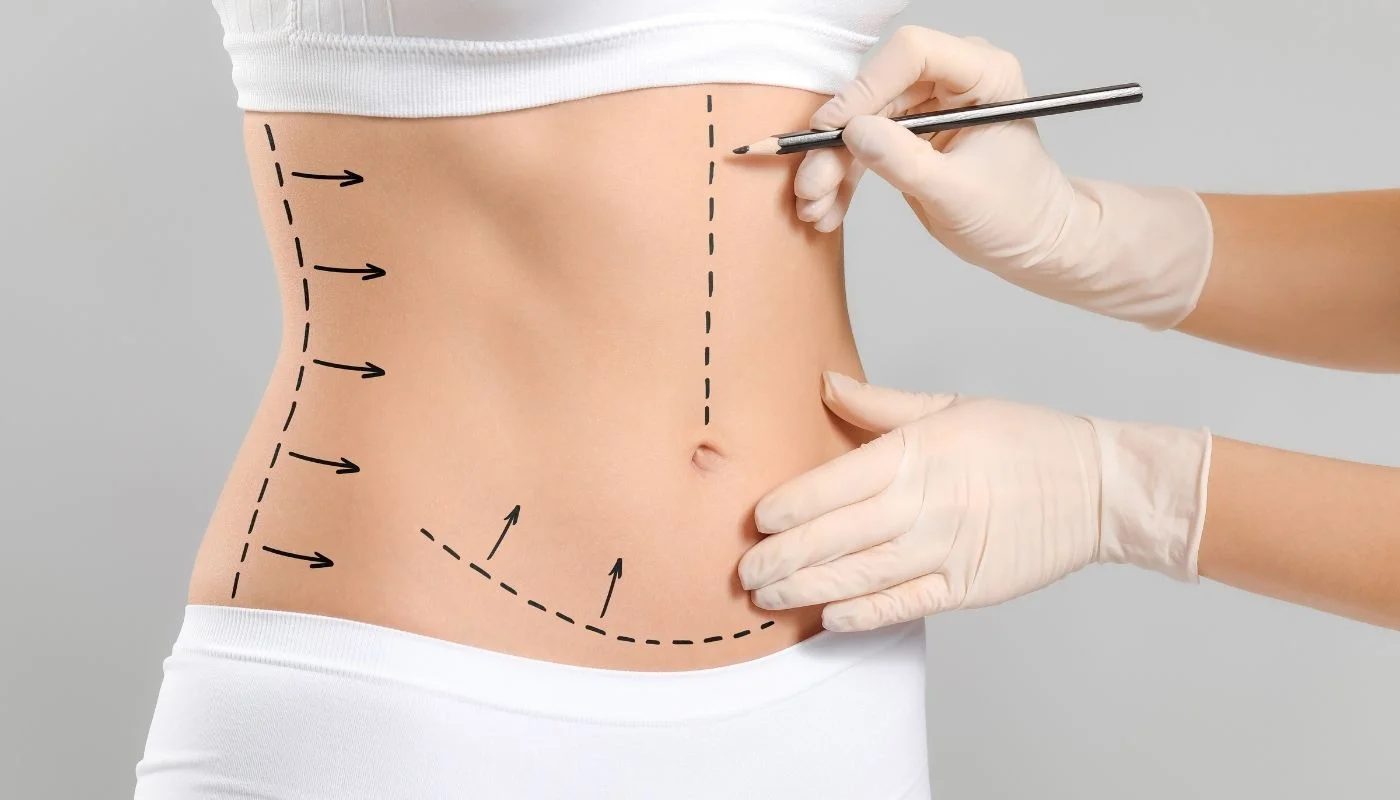
A tummy tuck, or abdominoplasty, is a cosmetic surgical procedure that removes excess skin and fat from the abdomen while tightening the underlying abdominal muscles. This creates a smoother, firmer midsection and improves the overall silhouette.
How Tummy Tuck Works
- Incisions are made along the lower abdomen to remove excess skin and fat.
- Abdominal muscles are tightened to restore core strength and contour.
- The skin is repositioned and sutured for a smooth, natural appearance.
- Liposuction may be combined for optimal sculpting of the waistline.
Who Can Benefit from a Tummy Tuck
Tummy tucks are ideal for individuals dealing with changes in abdominal appearance due to weight fluctuations, pregnancy, or aging. This procedure addresses both aesthetic concerns and functional issues caused by weakened abdominal muscles.
- Excess or sagging abdominal skin
- Weak or separated abdominal muscles (diastasis recti)
- Stubborn fat deposits resistant to diet and exercise
- Stretch marks in the lower abdomen
- Loss of abdominal firmness after pregnancy or significant weight loss
Tummy Tuck After Weight Loss
Major weight loss often leaves loose, hanging abdominal skin that diet and exercise cannot fix. Because our practice treats both weight loss and body contouring, we can plan your tummy tuck around your weight loss timeline. Most patients are ready once their weight has been stable for about 6 to 12 months.
More Questions About Tummy Tucks
How long after bariatric surgery can I get a tummy tuck?
Most patients wait about 12 to 18 months after bariatric surgery, until their weight has been stable for at least 6 months. Operating at a stable weight gives longer-lasting results and a safer recovery.
Can I get a tummy tuck after GLP-1 weight loss?
Yes. Patients who lose significant weight with medications like semaglutide or tirzepatide often have loose abdominal skin. Once your weight has stabilized, a tummy tuck can remove the excess skin and tighten the abdominal muscles.
What is the difference between a mini and a full tummy tuck?
A mini tummy tuck treats only the area below the belly button. A full tummy tuck treats the entire abdomen, repositions the belly button and repairs separated muscles. Patients with loose skin after major weight loss usually need a full tummy tuck.
Does insurance cover a tummy tuck?
A cosmetic tummy tuck is not covered by insurance. Removing a hanging fold of skin (panniculectomy) may be covered when it causes rashes, infections or other medical problems. Ask our team about your options at your consultation.
Your Next Step
Not sure if a tummy tuck is right for you? Take our candidate quiz, call (240) 468-7995, or request a consultation at our Greenbelt, MD or Alexandria, VA office.

How long is the recovery after a tummy tuck?
Will a tummy tuck remove stretch marks?
Can a tummy tuck be combined with other procedures?
Will I have a visible scar after surgery?